Alkaline purifiers are one of the fastest-growing categories in the market. They promise water with a higher pH and added minerals. Before you buy an alkaline water purifier machine, it helps to understand what it actually does, which features matter and where the marketing goes further than the evidence.
What pH and alkaline water mean
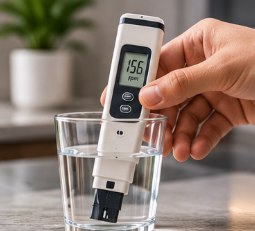
pH measures how acidic or alkaline water is, on a scale from 0 to 14. 7 is neutral; above 7 is alkaline. The BIS drinking water standard (IS 10500) lists 6.5 to 8.5 as the acceptable range. RO water often tests slightly below 7 because RO removes the minerals that buffer pH.
How an alkaline purifier works
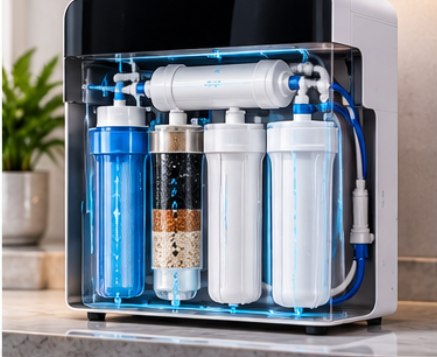
Most home alkaline purifiers are RO or RO + UV purifiers with an extra alkaline cartridge after the membrane. The cartridge contains mineral media, often calcium and magnesium compounds, that dissolve into the water and raise its pH and TDS slightly. This is similar to a mineral cartridge, but designed to push pH higher.
A different and more expensive device, the water ionizer, uses electric plates to split water into alkaline and acidic streams.
Features to look for
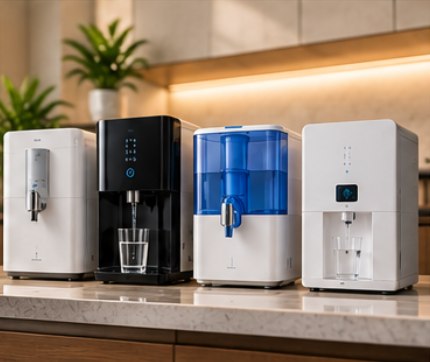
- A full purification chain first. The alkaline stage adds taste; it does not purify. Make sure the purifier has RO and UV or UF suited to your water.
- Clear information on the alkaline stage: what media it uses and how long it lasts.
- Filter-life indicator or display so you know when the alkaline cartridge is spent.
- Available, reasonably priced replacement cartridges.
- Storage of 7 litres or more for a typical family.
Limitations to know about
- Health claims are weak. Claims that alkaline water neutralises body acidity, prevents disease or slows ageing are not well supported. Your body regulates its own pH tightly regardless of the water you drink.
- The effect fades. As the cartridge is used up, pH drops back. Replacement is typically needed every 6 to 12 months.
- Higher running cost than a standard RO because of the extra cartridge.
- It does not fix bad source water. If the RO stage is not right for your TDS, adding an alkaline stage will not help.
Who an alkaline purifier is right for
An alkaline purifier makes sense if you need RO for your water and prefer a slightly mineral, less flat taste, and you are comfortable with the extra cartridge cost. If taste is your only concern, a mineral RO may achieve much the same for less.
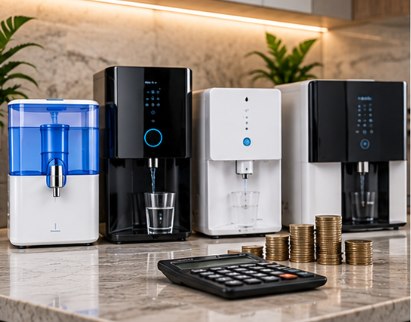
Compare costs in our water purifier price guide, or ask us whether an alkaline purifier suits your water.
Frequently asked questions
Is alkaline water better for health?
Strong health claims about alkaline drinking water are not well supported by research. Many people simply prefer its taste. If you have a medical condition, follow your doctor's advice rather than marketing claims.
What pH does an alkaline purifier give?
Most domestic alkaline cartridges raise pH slightly, often into the 7.5 to 9 range depending on the model and input water. BIS lists 6.5 to 8.5 as the acceptable pH range for drinking water.
Is an alkaline purifier the same as a water ionizer?
No. An alkaline purifier usually uses a mineral cartridge after RO. A water ionizer uses electrolysis to split water into alkaline and acidic streams, and costs much more.
Need help with your purifier?
Share your purifier brand and the problem. We will call back with the next available slot.